Latest Utilities articles
Find out everything you need to know about going solar with utilities throughout the country.
As the 30% federal solar tax credit sunsets at the end of 2025, many homeowners are asking if solar panels are still a worthwhile investment. This analysis argues a definitive 'yes'. We explore the data showing how rapidly rising utility electricity prices are set to outpace the loss of the tax credit, making solar a crucial financial hedge for 2026 and beyond. Discover how the math is shifting in favor of homeowners, even in a post-incentive world.
Written by Andy Sendy
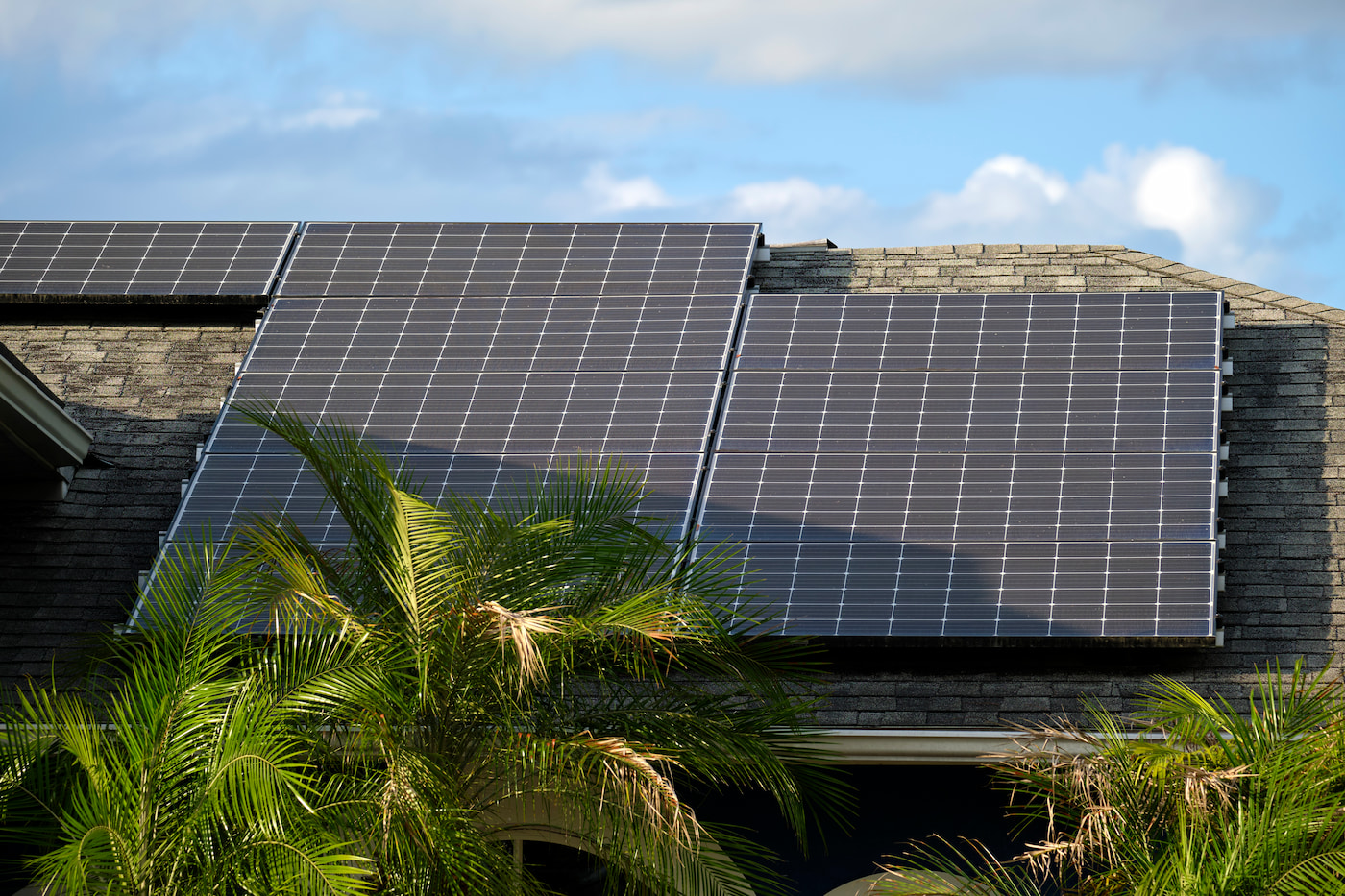
The average electric bill in New Jersey is about $135, but homeowners can install solar panels to bring that down to $0.
Written by Catherine Lane

Guide to the new PG&E solar energy plan that covers net billing, solar energy costs and savings, and steps to go solar.
Written by Ben Zientara
Southern California Edison (SCE) customers pay an average of $350 per month. Solar panels can reduce that to just $10.
Written by Ben Zientara

In 2025, the average cost of electricity in Boston is 28 cents per kilowatt-hour, and the average monthly bill is $162. Here are two easy ways for Bostonians to lower their energy bill
Written by Zeeshan Hyder

A homeowner’s guide to going solar with American Electric Power (AEP) in Ohio, including net metering, incentives, and more
Written by Jamie Smith

A homeowner’s guide to going solar with Duke Energy SC, including net metering, incentives, and more.
Written by Jamie Smith
A homeowner’s guide to going solar with Baltimore Gas and Electric (BGE), including net metering, incentives, and more.
Written by Jamie Smith
