Latest Utilities articles
Find out everything you need to know about going solar with utilities throughout the country.
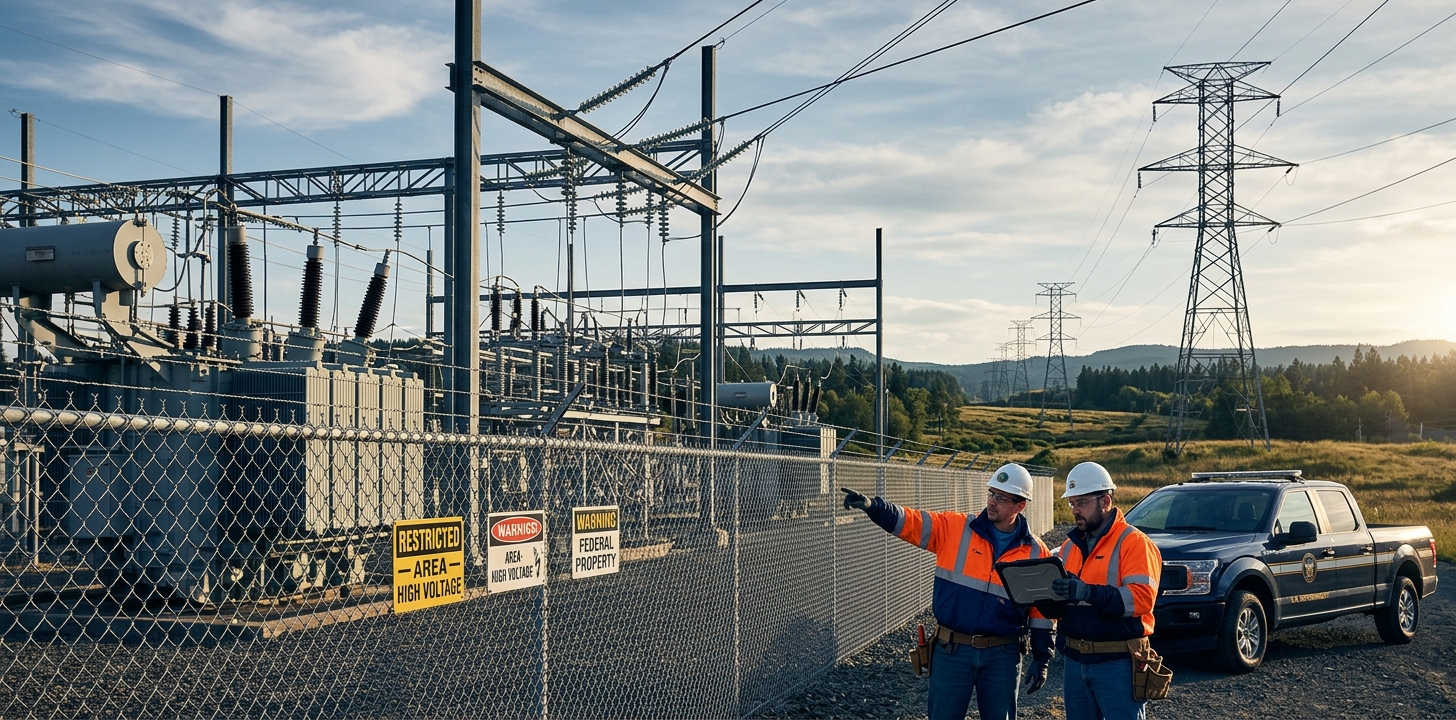
President Trump issued an executive order on August 26, 2026, declaring a national emergency to protect the U.S. bulk-power grid from foreign equipment. This move targets high-voltage components like transformers and inverters, blocking new installations from certain foreign entities.
Written by Will Anning
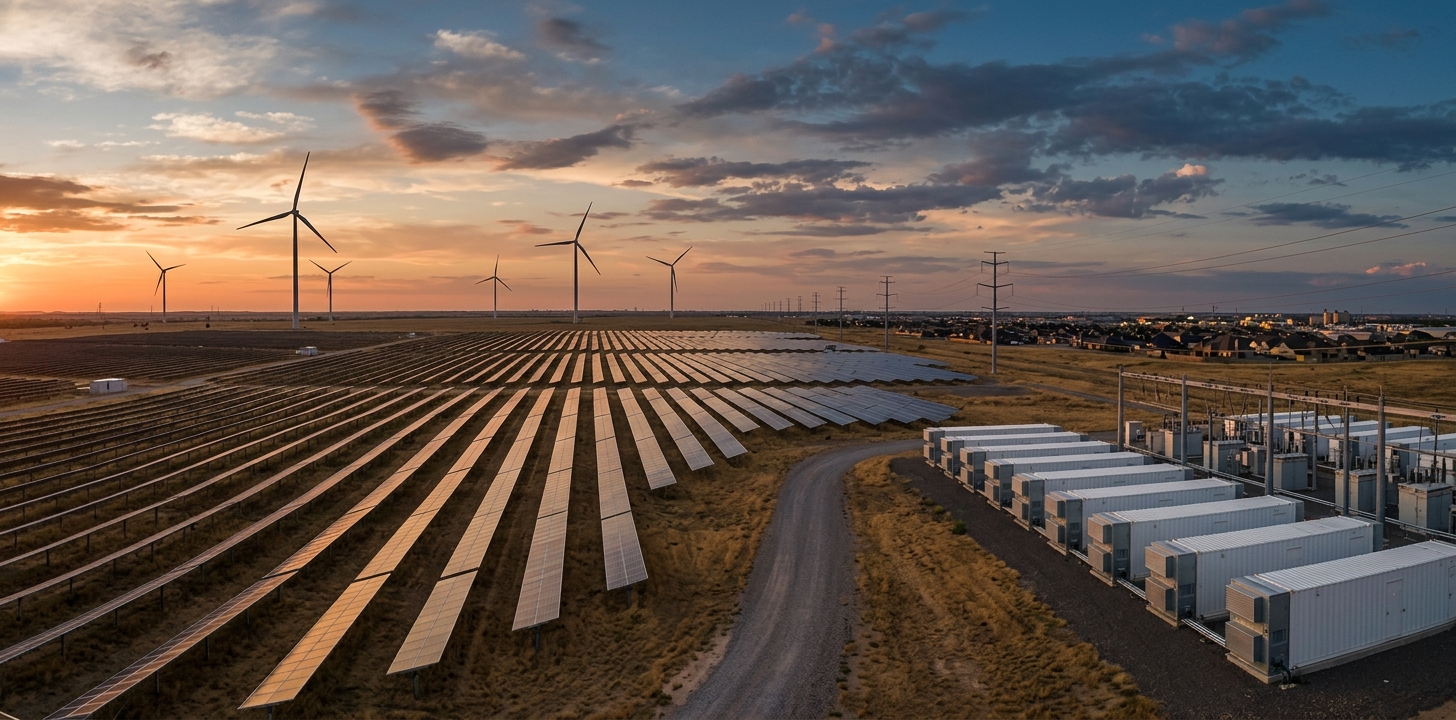
Texas's ERCOT grid showed significant improvements in 2026, maintaining stable power flow without conservation alerts despite extreme heat, primarily due to expanding renewable energy and battery storage capacity.
Written by Will Anning
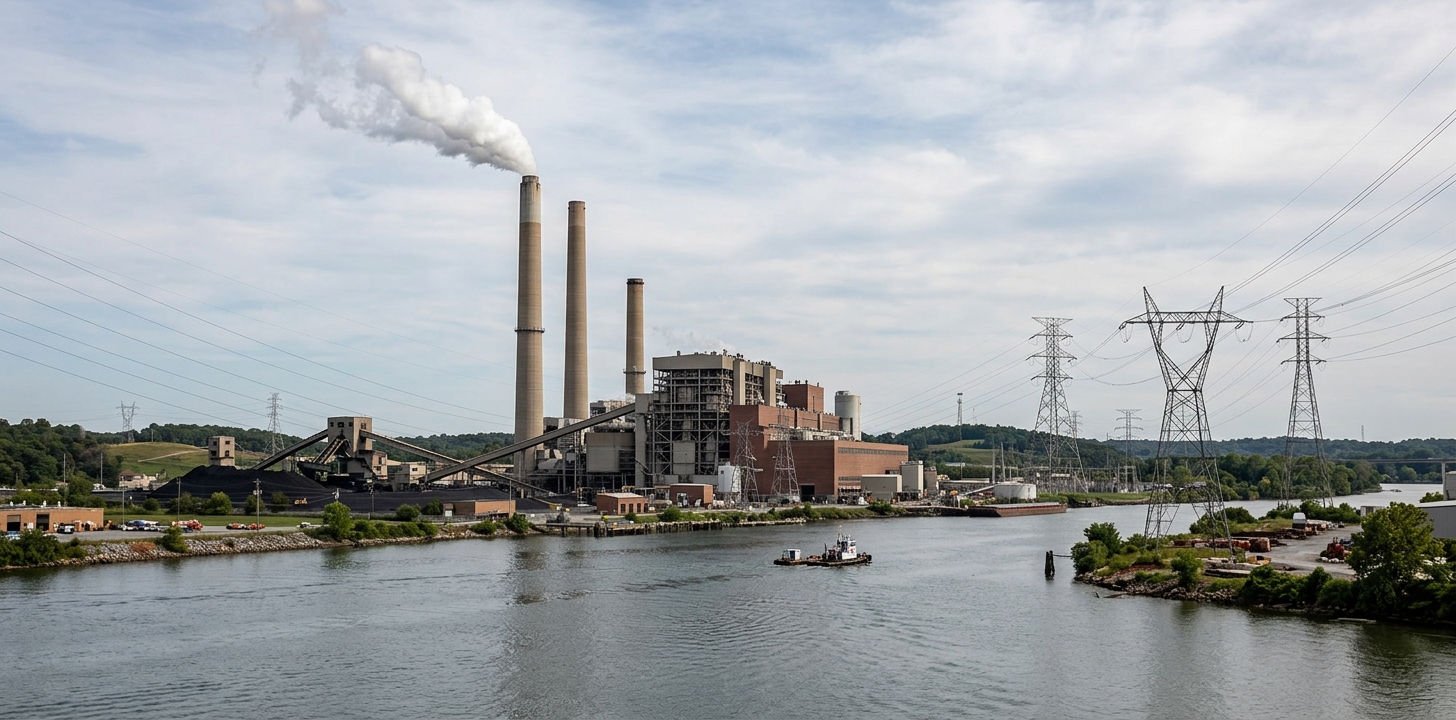
An emergency order allows Wagner Unit 4 in Maryland to operate beyond limits to secure the Mid-Atlantic power grid. This aims to prevent outages during high demand.
Written by Deana Barbaro
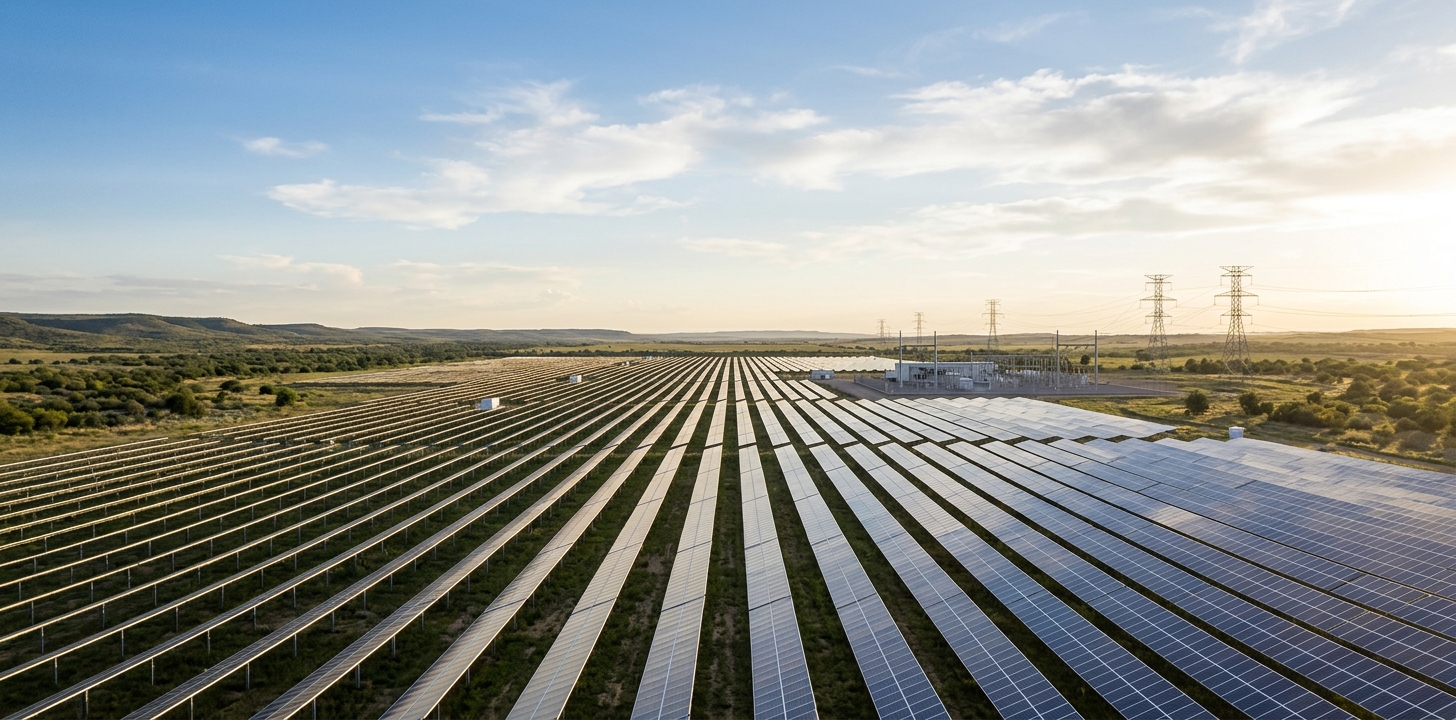
Explore how solar farms generate electricity for the US grid, their environmental benefits, and how homeowners can participate in community solar programs to lower energy costs.
Written by Deana Barbaro
With electricity rates higher than ever, how much is the average electric bill in 2026?
Written by Irena Martincevic
As the 30% federal solar tax credit sunsets at the end of 2025, many homeowners are asking if solar panels are still a worthwhile investment. This analysis argues a definitive 'yes'. We explore the data showing how rapidly rising utility electricity prices are set to outpace the loss of the tax credit, making solar a crucial financial hedge for 2026 and beyond. Discover how the math is shifting in favor of homeowners, even in a post-incentive world.
Written by Andy Sendy
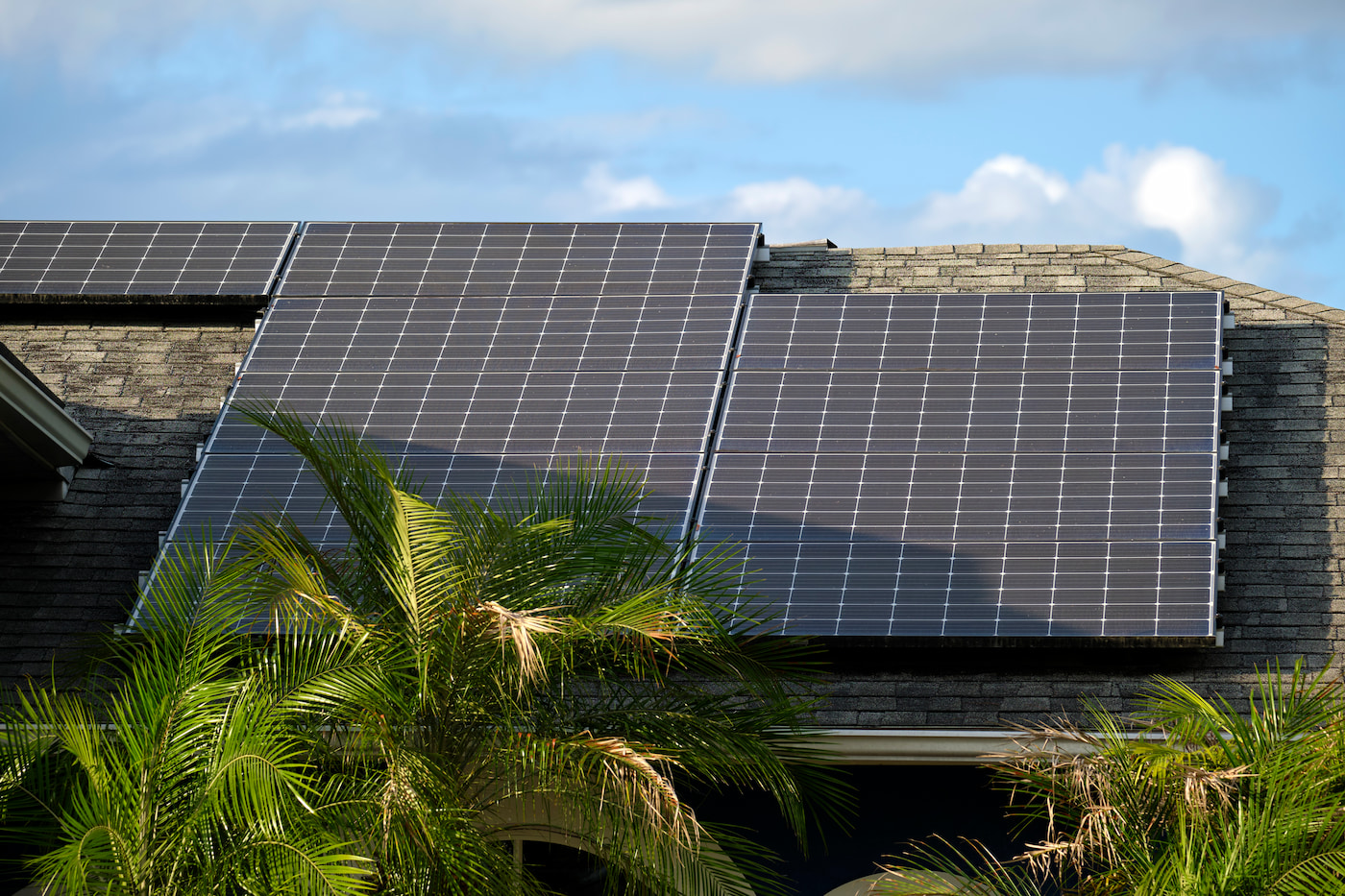
The average electric bill in New Jersey is about $135, but homeowners can install solar panels to bring that down to $0.
Written by Catherine Lane

Guide to the new PG&E solar energy plan that covers net billing, solar energy costs and savings, and steps to go solar.
Written by Ben Zientara