Updated 2 months ago
Emergency Order Issued to Secure Mid-Atlantic Power Grid
Written by
Deana Barbaro
Find out what solar panels cost in your area
Key takeaways
-
Purpose of Order: A recent emergency order permits Wagner Unit 4 to exceed its normal operating hours to stabilize the Mid-Atlantic power grid.
-
Grid Reliability: This measure helps PJM Interconnection meet anticipated electricity needs and reduce power outage risks across 13 states and D.C..
-
Demand Factors: High summer heat, increasing power demands from AI data centers, and the shift to intermittent generation resources are straining the grid¹.
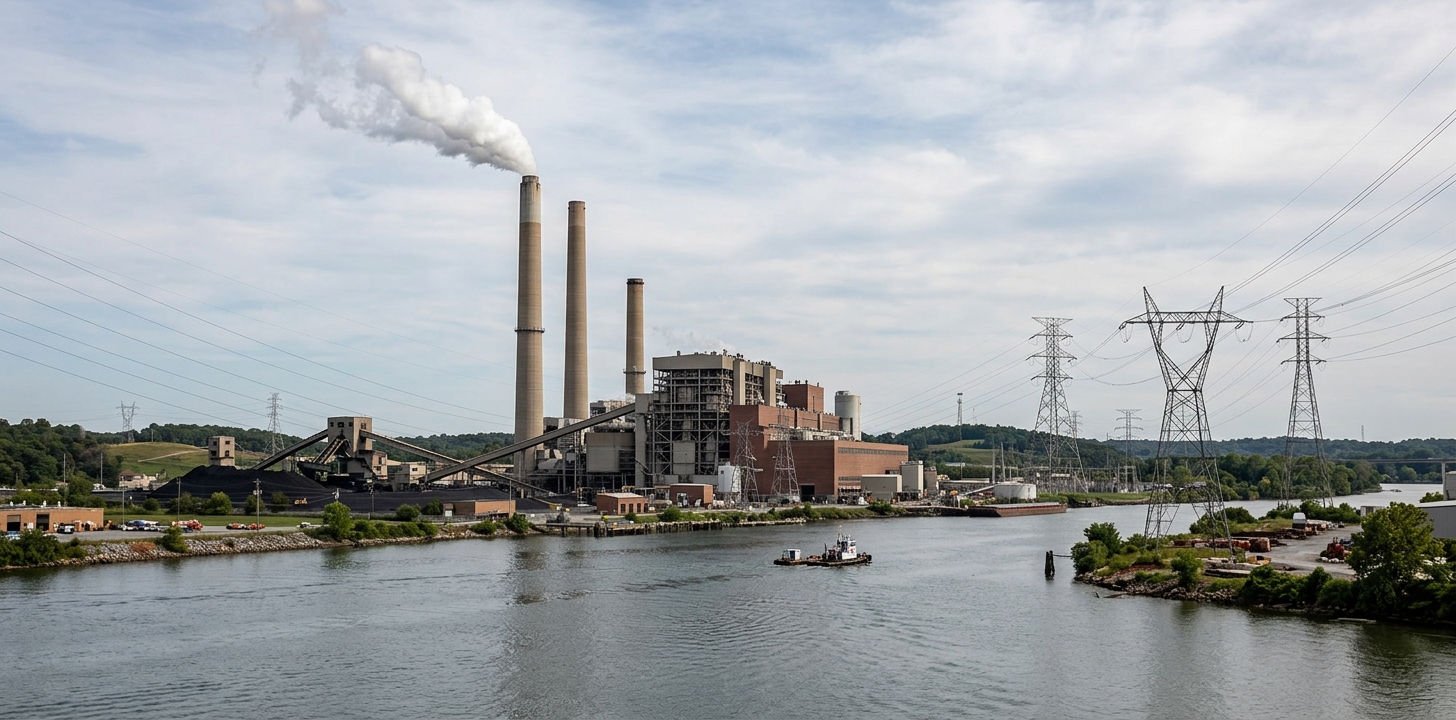
On August 20, 2026, the U.S. Secretary of Energy, Chris Wright, issued an emergency order impacting the Mid-Atlantic power grid. This directive specifically allows Unit 4 at the Wagner Generating Station in Maryland to operate beyond its usual limits. The goal is to ensure electricity reliability and minimize power outage risks in the region¹.
The order, issued under Section 202(c) of the Federal Power Act, is a temporary measure. It permits PJM Interconnection, which coordinates the wholesale electricity grid, to use Wagner Unit 4 more extensively. This authorization is effective from August 20, 2026, through November 17, 2026¹.
Why the Emergency Order for Wagner Unit 4?
PJM Interconnection requested the emergency order because it anticipates needing Wagner Unit 4 during upcoming periods of high electricity demand. Without additional operating time, PJM warned that high demand could lead to electricity shortages and increased blackout risks. The Department of Energy (DOE) emphasized that this measure helps ensure reliable and affordable electricity and strengthens energy security¹.
Wagner Unit 4, a 397-MW unit located in Anne Arundel County, Maryland, typically has an operating limit of no more than 438 hours per calendar year when burning fuel oil². However, PJM stated that this unit had already been used extensively earlier in the summer of 2026 due to extreme heat, exhausting its standard operating hours¹. This prior usage highlighted the critical role the unit plays in maintaining grid stability.
The inability to run Wagner Unit 4 could result in adverse reliability impacts, particularly in the Baltimore Gas and Electric (BG&E) territory and more broadly across PJM's service area. The DOE noted that without the order, emergency procedures could lead to residences and critical facilities losing electric service due to inadequate generation². Federal officials expect this temporary measure to help safeguard power supplies for homes and businesses across the Mid-Atlantic¹.
How PJM Manages the Grid
PJM Interconnection is a regional transmission organization (RTO) that coordinates the wholesale electricity grid for all or parts of 13 states and the District of Columbia³. This vast network serves approximately 65 to 67 million people¹. The states covered by the PJM grid include Delaware, Illinois, Indiana, Kentucky, Maryland, Michigan, New Jersey, North Carolina, Ohio, Pennsylvania, Tennessee, Virginia, and West Virginia, along with D.C.⁴.
PJM itself does not generate power; instead, it manages electricity flow, operates the wholesale market, and ensures that supply meets demand³. The organization monitors and coordinates over 1,400 generating sources and 88,333 miles of high-voltage transmission lines⁴. This complex system requires constant oversight to prevent disruptions.
PJM's emergency orders are typically last-resort measures, activated to prevent more severe actions like voltage reductions or rolling blackouts³.
The grid has been under strain due to demand growth outpacing new power resources⁵. Additionally, an increasing percentage of intermittent generation resources, such as solar and wind, adds complexity to grid management. While these resources are crucial for transitioning to cleaner energy, their variability requires robust backup capacity. To understand how some renewable sources contribute, you can read more about how a solar farm powers the US grid.
Factors Driving Grid Strain and Emergency Measures
Several factors are contributing to the increased reliance on emergency measures like the one issued for Wagner Unit 4. Extreme weather events are a major component. For instance, PJM experienced a mid-May heat wave in 2026 that drove demand beyond available capacity, necessitating another emergency order for backup generation resources⁶. Earlier in 2026, a severe heat wave was forecast through the July 4th weekend, with the National Weather Service predicting highs of 102–104°F in the Mid-Atlantic region. PJM had forecasted electricity demand of 166,147 MW on July 2, 2026, which would have exceeded the grid's all-time record of 165,563 MW set in 2006³.
The rise of AI data centers, particularly in Northern Virginia within the PJM grid, is also contributing to enormous electricity consumption⁷. These facilities place significant strain on the grid, especially during periods of extreme weather. The DOE has previously ordered AI data centers to switch to backup generators during emergencies to free up grid capacity .
PJM anticipates needing to dispatch Wagner Unit 4 when forecast temperatures are high, around 92 degrees in the Mid-Atlantic, and forecast loads are around 151,000 MW. Other conditions that could necessitate increased scheduling of Wagner Unit 4 include high system demand, additional transmission facility outages, and unexpected generation outages².
Pros
-
Ensures electricity reliability during peak demand
-
Reduces the risk of widespread power outages
-
Provides PJM with flexibility to manage grid challenges¹
Cons
-
Relies on fossil fuel generation beyond typical limits²
-
Highlights ongoing strain on the grid's capacity⁵
-
Temporary measure; long-term solutions still needed
Broader Context of Emergency Orders
This is not an isolated event. Similar emergency orders were issued previously in 2026, including one in May and another in July, to address high demand conditions or provide temporary relief from environmental permit restrictions. The DOE has issued multiple emergency orders under Section 202(c) of the Federal Power Act, with this being one of several signed by Secretary Chris Wright².
PJM has also expanded its own emergency procedures. This includes a new "Capacity Advisory" system for when projected grid operating conditions indicate an approaching capacity shortfall⁵. These advisories serve as early warnings, allowing PJM to take proactive steps before a crisis develops. Such measures are crucial for maintaining stability as electricity demand continues to grow and the energy landscape evolves.
The ongoing need for these emergency orders underscores the challenges facing the Mid-Atlantic power grid. Balancing increasing demand with existing generation capacity and the transition to new energy sources requires continuous adaptation and strategic interventions to prevent disruptions for millions of consumers.
Sources:
U.S. Orders Emergency Operation Of Wagner Unit 4 To Protect Mid-Atlantic Grid Reliability, Mohan Gupta, 2026 (solarquarter.com)
DOE Issues Emergency Order Allowing for Operation of Maryland Generating Unit, 2025 (publicpower.org)
PJM Emergency Order: Record Heat Wave (2026), 2026 (electricchoice.com)
Pjm At A Glance (pjm.com)
Pjm Adds Emergency Procedures To Maintain Reliability (insidelines.pjm.com)
Doe Emergency Order No 202 26 25 (energy.gov)
What is PJM? Why Does It Matter? How Can You Help?, Douglas McRae, 2026 (natureforward.org)
Deana is a Home Improvement Editor with a passion for helping homeowners navigate renovation, repair, and remodeling with confidence. Specializing in roofing, kitchen and bath remodeling, and outdoor living spaces, she combines industry knowledge with a genuine commitment to making complex home projects feel approachable for readers at every stage of their journey. Her path into home improvement media began after several years working alongside ...
Learn more about Deana Barbaro