Updated 7 months ago
The Actual Cost of a Tesla Powerwall 3: Is it Worth It?
Written by
Catherine Lane
Calculate how much a solar plus storage installation costs near you
The Tesla Powerwall 3 costs between $15,300 and $16,200 before taxes and incentives, depending on where you live. With roughly $1,140–$1,200 per kWh of storage, the Powerwall is one of the most affordable home battery solutions available. The combination of its cost and popularity earned it the first place spot in our list of the Best Solar Batteries of 2025. Let’s take a closer look at if the Tesla Powerwall is worth the price.
Battery storage is becoming more popular as homeowners look for ways to keep their lights on during power outages and reduce reliance on their utility company. One of the most popular home battery options is the Tesla Powerwall, a sleek lithium-ion battery that holds 13.5 kilowatt-hours (kWh) of energy.
Key takeaways
-
Powerwall 3 cost: $15,300–$16,200 (varies by location)
-
Powerwall 3 expansion unit cost: $5,900
-
Tesla's "Next Million Powerwall" rebate takes $500 off a single unit, $1,000 off multi-unit systems
-
Tesla Powerwall 3 is worth it for homeowners who want a reliable and affordable backup power source.
Note on incentives: The 30% federal solar tax credit is no longer available as of 2026. However, a range of state, local, and utility incentives can still meaningfully reduce the cost of a Powerwall installation. See what's available in your state.
How much is a Tesla Powerwall?
A Tesla Powerwall 3 costs between $15,300 and $16,200 before taxes and incentives, based on quotes pulled directly from Tesla's website across eight U.S. markets. After taxes, the typical all-in cash price runs closer to $16,600. You can expand storage beyond the base unit by adding Powerwall expansion units at $5,900 each.
Tesla also currently offers a "Next Million Powerwall" rebate: $500 off a single-unit installation and $1,000 off systems with two or more units. This rebate stacks with other incentives.
What is the Tesla Powerwall?

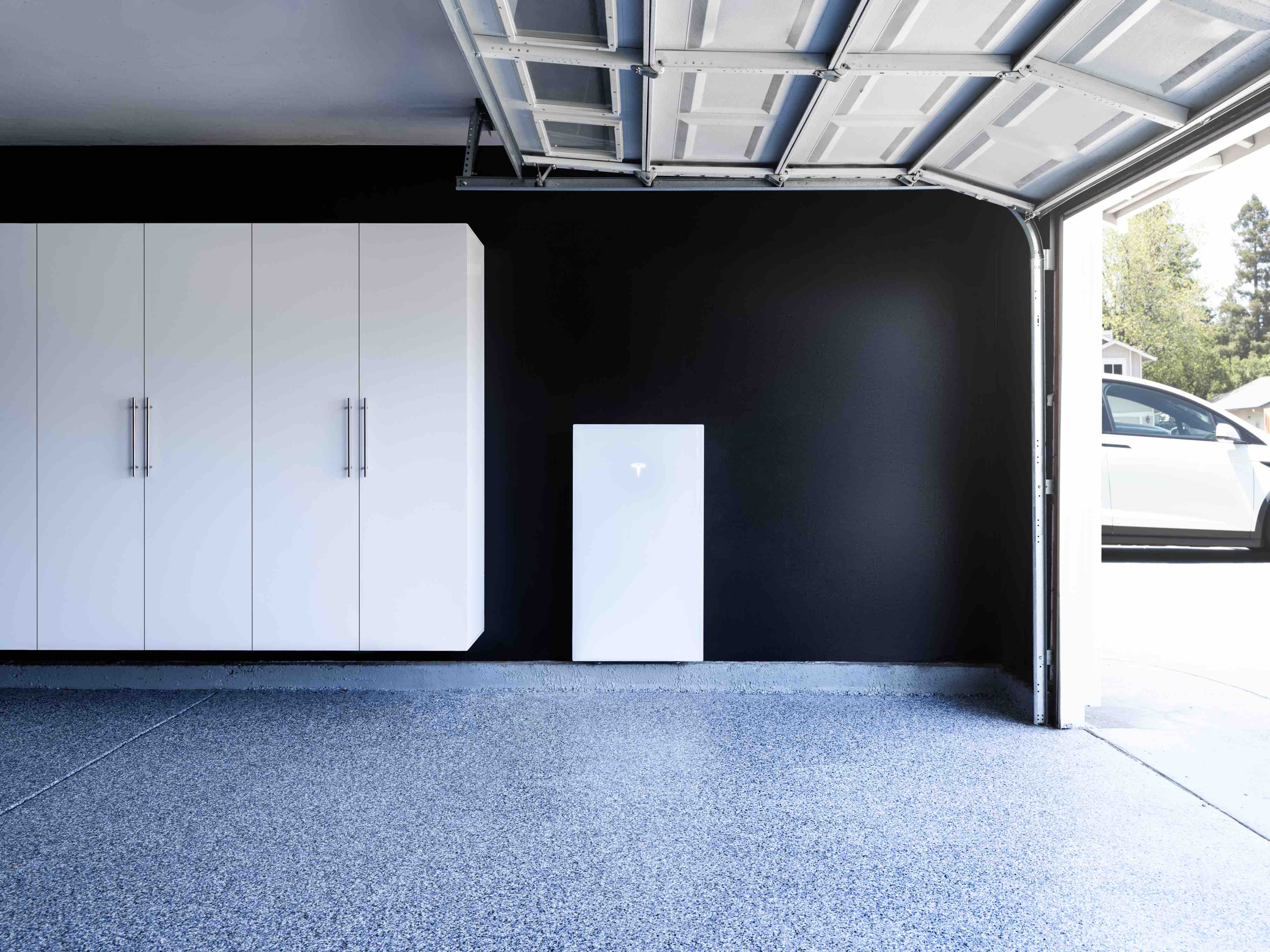
Image courtesy of Tesla, Inc.
The Tesla Powerwall is a lithium-ion energy storage solution designed to charge using solar power or energy from the grid. When paired with solar panels, the system directs solar energy to power your home’s appliances. Any excess solar energy not immediately used is stored in the Powerwall battery for later use.
When your solar panels aren't generating electricity at night, the Powerwall provides a reliable source of stored energy, eliminating the need to draw power from the grid. Using stored power increases the amount of solar energy your home uses and can even potentially save you extra money on your electric bills, depending on your utility’s net metering policy.
One of the biggest benefits of installing a home battery system is its ability to keep your home running during a power outage, something solar panels can’t offer on their own. In fact, backup power is the primary reason homeowners choose to install batteries, according to our 2025 Solar Industry Survey.
Tesla Powerwall 3 specs
The table below highlights key technical specifications of the Tesla Powerwall 3:
Model | Tesla Powerwall 3 |
|---|---|
Battery capacity | 13.5 kWh |
Power output | 11.5 kW |
Round trip efficiency | 89% |
Chemistry | LFP |
Maximum solar input | 20 kW |
Scalability | Up to 1 Powerwall unit + 3 Expansion units |
The Tesla Powerwall 3 is excellent in terms of its performance. With 13.5 kWh of storage capacity, a Tesla Powerwall holds enough energy for most homeowners to meet their needs. However, those that need more storage can install up to three Powerwall 3 expansion units, each of which holds an additional 13.5 kWh.
Tesla’s home battery is also one of the most powerful options on the market, with a continuous power rating of 11.5 kW. With that output, a Powerwall battery can run basic appliances like a refrigerator and lights, but it can also support more power-hungry appliances, like a sump pump or some air conditioning systems.
With the launch of the Powerwall 3, Tesla finally switched from nickel manganese cobalt batteries to lithium-iron phosphate (LFP). LFP batteries are safer than other battery chemistries because they are less susceptible to catching fire, are more stable at higher temperatures, and don’t contain as many toxic chemicals.
What warranty does the Tesla Powerwall 3 come with?
The Tesla Powerwall is backed by a 10-year warranty that guarantees that the battery will retain at least 70% of its capacity by the end of the warranty period. The unlimited cycle warranty is valid only if the battery is used for solar self-consumption, time-based control, and backup reserve. It’s important to note that the warranty is based on a 100% depth of discharge (DoD), meaning the battery can be fully discharged without sustaining damage.
Tesla’s home battery warranty is standard within the industry, and the backing of a reputable, established company provides peace of mind that Tesla will be around to honor warranty claims throughout its lifespan.
The Tesla Powerwall can be installed with equipment from other brands! Tesla solar panels and the solar roof can be easily integrated with the Powerwall, but so can solar panels from other brands! If there are other solar brands you prefer over Tesla, you can still get the Powerwall.
What factors affect the cost of a Tesla Powerwall 3?
Several variables will influence how much you pay for a Powerwall 3 installation.
1. How many Powerwalls you install
Most homeowners need one or two Powerwall batteries to keep essential appliances running during a power outage.
For those who need more than the Powerwall’s standard 13.5 kWh of storage, you can add a Powerwall 3 expansion unit to boost the system’s capacity. At a cost of $5,900, expansion packs are cheaper than a standard Powerwall unit, primarily because they don’t include an inverter.
Tesla applies an "installation efficiency adjustment" discount when expansion packs are added: $1,800 off a two-unit system, $2,300 off a three-unit system, and $2,800 off a four-unit system.
System configuration | Capacity | Expansion unit cost | Total est. installation cost | Cost after Tesla rebate |
|---|---|---|---|---|
1 Powerwall | 13.5 kWh | $0 | $16,600 | $16,100 |
1 Powerwall + 1 Expansion Unit | 27 kWh | $5,900 | $21,700 | $20,700 |
1 Powerwall + 2 Expansion Units | 40.5 kWh | $11,800 | $28,200 | $27,200 |
1 Powerwall + 3 Expansion Units | 54 kWh | $17,700 | $35,100 | $34,100 |
Prices vary by location. Exact costs depend on local taxes, system design, and available incentives.
2. Installation and labor costs
Installation labor for a single Powerwall 3 runs approximately $6,100, based on current and historical quotes from Tesla. The installation and labor costs for a Tesla Powerwall can vary depending on where you live and the installer you choose.
When adding Powerwall expansion units, installation costs can increase by $700 to $1,000, depending on your location and the number of units being installed.
If you purchase your Tesla Powerwall through a local solar company instead of directly from Tesla, prices will generally be similar but could be slightly higher. Keep in mind that Tesla requires all Powerwall installations to be completed by Certified Tesla installers. To avoid voiding your warranty, make sure the company you choose is part of Tesla’s certified installer network.
Thanks to Tesla’s expansion packs and new Backup Switch equipment, the installation process for a Powerwall 3 system has become significantly easier. Tesla claims the Backup Switch can reduce installation time by up to six hours and streamline the equipment required, potentially saving thousands in installation costs. Our 2025 Solar Industry Survey supports this, with solar installers naming the Tesla Powerwall as the easiest battery to install.
3. Additional equipment and upgrades
Before installing a Tesla Powerwall, there may be some additional upgrades needed for your home. One of the most common is installing a backup loads panel, which is a separate electrical panel that only powers the circuits that your battery system will back up during a power outage. However, Tesla recently introduced the Backup Switch, which replaces the subpanel and requires significantly less electrical work. It's a great option, but it’s only available in certain states.
If you're aiming to make your house a fully integrated Tesla home, you might also consider installing a Tesla electric car charger with your Powerwall. Additionally, you may need to clear space in your garage or adjust your landscaping to make room for the Powerwall. While these upgrades aren't directly part of your energy storage system, they are important costs to factor in when planning your installation.
4. Available incentives and rebates
Despite being one of the most affordable home solar batteries available, the Tesla Powerwall is still expensive! Fortunately, there are several solar battery storage rebates and incentives are available that can reduce the price of a Tesla Powerwall installation.
Although the 30% federal solar tax credit is no longer available as of 2026, Tesla is currently running the "Next Million Powerwall" rebate, $500 per unit, up to $1,000 on orders of two or more units. The rebate applies to Powerwall 3 units and expansion units ordered between November 1, 2025 and March 31, 2026, with installation completed by September 30, 2026. It's paid out as a Virtual Visa Reward Card and stacks with any state or local incentives you qualify for.
Some of the strongest battery-specific rebates come from California, North Carolina, New York, and Colorado. Check Tesla's incentives page for the full list of programs available in your state.
Keep an eye out for Virtual Power Plant (VPP) programs, which allow utilities to pay homeowners for access to the energy stored in their batteries to reduce strain on the grid during peak demand. Tesla Powerwall is eligible for several VPP programs, some of which can earn owners hundreds of dollars a month!
5. Powerwall maintenance and replacement costs
Solar batteries like the Tesla Powerwall require minimal maintenance, resulting in low upkeep costs. If any issues arise with your battery system, any Powerwall repair and replacement costs will likely be covered by warranty. But, fully replacing a Tesla Powerwall battery will cost about $10,000, just about the same price as the initial installation.
6. The Powerwall installer you choose
The solar installer you choose will impact how much your Powerwall costs. Installers have different installation rates, which can impact the final price. Availability also plays a role. Since Powerwalls are in high demand, you could face premium pricing and a long wait time if there’s limited supply in your area.
We recommend getting quotes from at least three installation companies to compare pricing in your area. This will allow you to shop around for the best rates and the shortest waitlist!
Tesla Powerwall pros and cons
The Powerwall 3 is one of the most well-rounded home battery options on the market, but it's not without its drawbacks. Here's a quick summary of what to weigh before buying.
Pros
-
Excellent value
-
Easy-to-use operating modes can help save money and maximize energy independence
-
Virtual power plant capabilities
-
Access to backup power source during blackouts
Cons
-
Powerwall 3 is difficult to pair with existing solar systems
-
Limited sizing options vs. modular competitors
-
Tesla has a poor customer service reputation
How is the Powerwall 3 different from other versions of Tesla’s home battery?
The Powerwall 3 is the newest Tesla home battery for sale. The built-in hybrid solar inverter is the most significant difference between the Powerwall 3 and older Powerwall models.
Cost: The Powerwall 3 is slightly more expensive than the Powerwall 2 because of the included inverter, but the new expansion packs make larger Powerwall 3 systems cheaper.
Built-in inverter: The Powerwall 3 has an integrated inverter with six solar inputs to pair with up to 20 kW of solar. This is more solar than you could pair with older Powerwalls.
Higher power output: With 11.5 kW of continuous power output, the Powerwall 3 can run more appliances than the Tesla Powerwall 2 or Powerwall+, which had power output ratings of 5 and 7.6 kW.
Lithium iron phosphate chemistry: The new Powerwall 3 uses lithium iron phosphate battery cells, which are safer and less toxic than those used in the Powerwall 2.
Expansion units: The Powerwall 3 can be paired with new expansion units to increase the system’s storage capacity at a lower cost. Previous versions of the Powerwall required you to install multiple Powerwall units, which was costly.
Limited stacking: You can install up to four Tesla Powerwall 3s together for a total capacity of 54 kWh. A Powerwall 2 system can have up to 10 batteries for a whopping 135 kWh of capacity. Most homeowners don't need a system of that size.
Is the Tesla Powerwall worth the cost?
The Tesla Powerwall is absolutely worth it if you’ve decided to install a battery storage system. Between its low cost, impressive power output, and easy installation, you can’t get much better than the Powerwall 3.
But the Tesla Powerwall isn’t for everyone. In fact, battery storage isn’t for everyone, as batteries don’t always add financial value. A solar system without a battery typically pays for itself in around 10 years; adding a Powerwall now extends that to around 14 years in the best case scenario, for homeowners in states with strong battery rebates who can stack multiple incentives, and longer in most other cases.
However, the financial value a Powerwall adds all depends on how your utility company bills its solar customers. Otherwise, the investment will only be worth it if you highly value the peace of mind backup power gives you.
Some homeowners are also seeking Tesla Powerwall alternatives because of long wait times or political differences with Tesla CEO Elon Musk. There are plenty of other home battery options on the market can meet your energy consumption needs.
The bottom line: if you have already determined that you want battery storage, the Tesla Powerwall will make an excellent backup source for your home. Installers love it, it performs great, and it’s affordable when compared to competitors.
Tesla Powerwall FAQ
Catherine is a solar industry analyst and content manager with five years of experience researching and reporting on residential solar. As the former Written Content Manager at SolarReviews, she led a team producing informative content to help homeowners make informed decisions about solar investments. Her expertise has been featured in Solar Today Magazine and Solar Industry Magazine, with insights cited by major outlets including Forbes and Bl...
Learn more about Catherine Lane