Updated 1 month ago
How Much Does a Heat Pump Cost? 2026 Expert Guide
Written by
Dan Simms
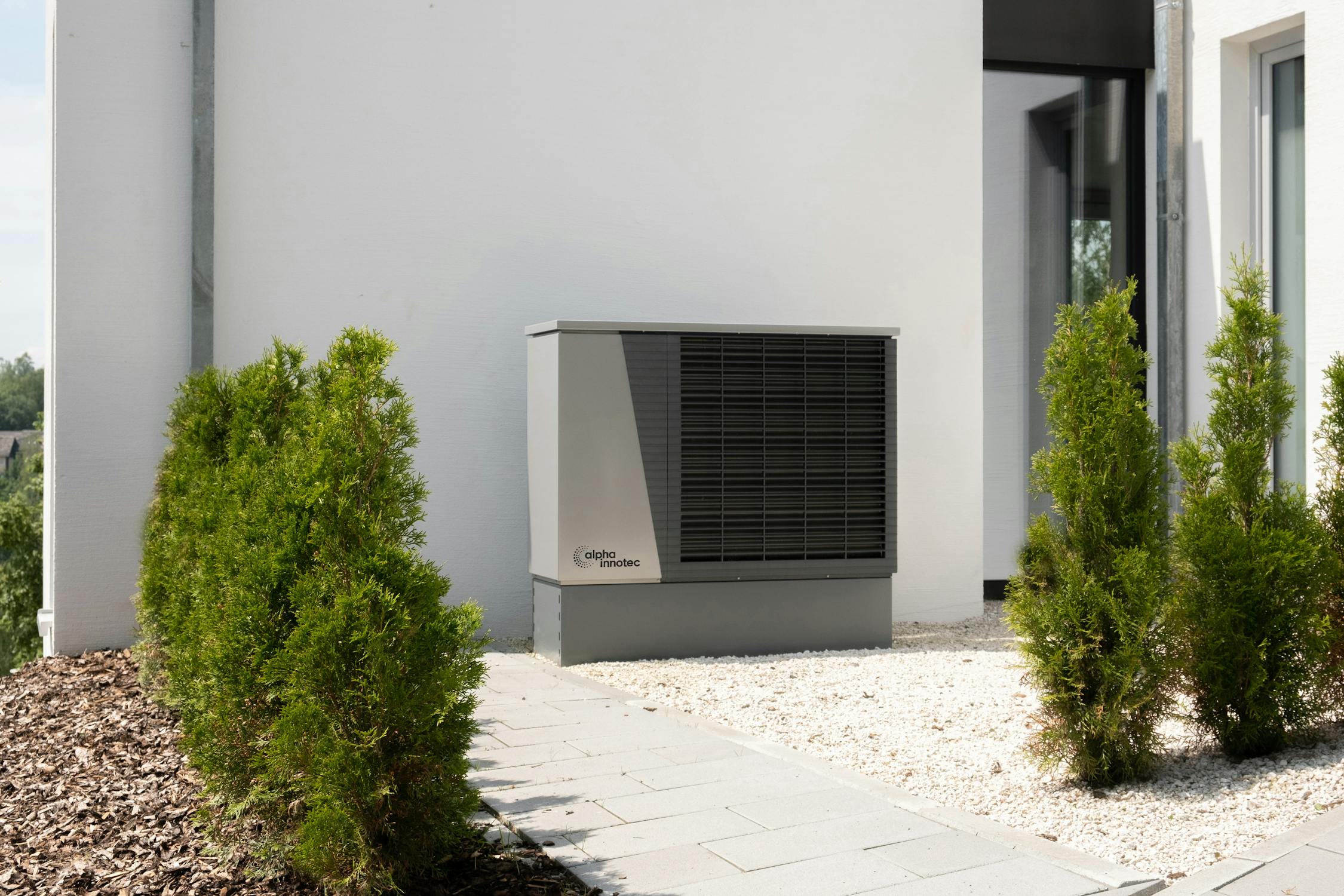
Average heat pump costs sit around $6,000, but prices range widely based on many different factors. To figure out where your total heat pump installation cost will fall, you’ll need to consider things like the type of heat pump you’re installing, the efficiency rating, the size of the area you’re heating or cooling, and a few other factors. In this guide, we’ll explain average heat pump costs and how these factors can influence your total.
Key Takeaways
-
Heat pumps cost an average of $6,000, and most homeowners pay between $4,000 and $12,000 for installation.
-
Heat pumps can reduce your energy consumption for heating and cooling by up to 50%, making them more environmentally friendly and affordable than traditional systems.
-
State, local, utility, and income-qualified federal rebate programs may reduce heat pump installation costs, depending on your location and eligibility.
How much does a heat pump cost?
The average cost to install a heat pump is $6,000, but prices can fall as low as $2,000 for a small ductless mini split or climb up to $25,000 or more for a geothermal heat pump installation.
National average cost | $6,000 |
Low cost | $2,000 |
High cost | $25,000 |
Heat pump incentives and rebates
Heat pump installation costs are quite expensive, but since they’re more efficient than traditional HVAC systems, there are energy efficiency incentives and rebates available that you can take advantage of. These can help reduce heat pump prices, in addition to the energy savings you’ll see over the lifespan of the equipment.
The federal Energy Efficient Home Improvement Credit (Section 25C) and Residential Clean Energy Credit (Section 25D) both ended for new residential installations after December 31, 2025. As a result, heat pumps, including geothermal heat pumps, installed in 2026 generally no longer qualify for these federal residential tax credits.
Many state governments also offer incentives for heat pump installations, as do many utility companies. Rules for combining incentives vary by program, so homeowners should check the requirements for individual state, local, utility, and federal rebate programs. These localized incentives can further help reduce heat pump prices, provided you meet program eligibility requirements.
The Home Electrification and Appliance Rebates (HEAR) program can provide rebates of up to $8,000 for qualifying heat pumps for income-qualified households, although availability and eligible projects depend on state implementation and current program rules.
You can check your state government's website or contact your utility company for more localized information. Homeowners should check specific programs available in their state and usually need to apply before installation.
3 factors that impact heat pump costs
Installing a new heat pump can range from $2,000 up to $25,000 or more, and there are many factors at play that determine where in that range your total will fall. You’ll need to consider the following factors to get the most accurate pricing possible.
1. Heat pump type
The type of heat pump you install will have the most significant impact on the cost. There are six primary types of heat pumps to consider, each of which works a bit differently and varies when it comes to pricing.
2. Heat pump capacity
Another important cost factor to consider is the heat pump capacity, expressed in tons or British Thermal Units (BTU). Larger capacities will come with higher material costs and often slightly higher labor costs to install bigger, heavier units.
Heat pump capacity depends on more than home size. Climate, insulation, air leakage, windows, ceiling height, and other factors affect heating and cooling loads. A qualified HVAC professional can perform a Manual J load calculation to determine the appropriate system size for your home.
Larger-capacity heat pumps generally cost more, but installation prices do not increase at a fixed rate per ton. Equipment efficiency, brand, system type, installation complexity, climate, and local labor costs can all affect the final price.
3. Additional services
Heat pump installation may require additional services that can drive up your costs. Consider the additional costs and options below based on your needs to get an accurate, all-in heat pump cost.
Electrical panel upgrades: Heat pumps usually require a 240-volt connection, which may be too large for your home’s capacity if you’re on 100-amp service. You might need to pay between $500 and $4,000 to upgrade your panel to accommodate the higher loads.
Ductwork installation: If you don’t already have ductwork installed and want a ducted heat pump, you’ll pay between $5,000 and $10,000 to install it on top of your heat pump cost.
Decommissioning your old HVAC system: Removing your old heating system can add between $500 and $1,200 to your total if you’re going with a full heat pump replacement. You could save money on replacement costs by leaving your existing heat system in place and using it as a backup heat option as part of a hybrid heat pump system.
Capping gas lines: Ditching natural gas altogether for your heating source? You’ll pay between $75 and $150. With permit costs, though, you’re looking at between $200 and $500.
Installing solar panels: Solar panels can offset some or all of the additional electricity consumed by a heat pump, depending on system size, household electricity use, and solar production. However, adding solar bumps up installation costs by over $15,000 if you install enough solar to cover all of your energy needs.
Thermostat upgrade: You can maximize your heating and cooling savings by installing a smart thermostat to control your heat pump system. This will add $200 to $400 to your total, but it could end up paying for itself in utility bill savings over time.
Insulation upgrades and air sealing: Another way to get more value from your heat pump installation is to upgrade insulation and have a company seal air gaps in your home. This can cost anywhere from $500 to $10,000, depending on how much work is involved.
Surge protection: Since heat pumps use electricity to heat and cool your home, installing a dedicated surge protection device is a good way to protect your investment. These cost just $100 to $400 and can prevent a full system replacement in the event of a power surge.
Are heat pumps worth the cost?
Heat pumps can be a worthwhile investment for many homeowners, particularly when replacing less efficient or more expensive heating and cooling systems. Installing heat pumps can get expensive, but data from the Department of Energy suggests that homes with electric heat spend about half as much on utility bills as homeowners using fuel oil.
Converting from oil heating to an efficient heat pump can reduce annual energy costs for some households, but actual savings and payback periods vary based on local energy prices, climate, home efficiency, system cost, and the equipment being replaced.
If it’s time to replace your existing heating and cooling system, you should consider the cost of heat pump alternatives to evaluate whether or not a heat pump is more valuable. Heat pumps can provide heating and cooling for your home and cost an average of $6,000.
The cost to replace just a boiler or furnace is around $6,500 or $4,750, respectively, and these systems only provide heat. Coupling them with a central air conditioner system would add an average of $6,000 to your costs, bringing your total to between $10,750 and $12,500 to upgrade your HVAC system.
A heat pump can also be cost-competitive with installing separate heating and central air-conditioning systems because it provides both heating and cooling. Add in the rebates and incentives available for the more efficient heat pumps, and it becomes even more worthwhile.
Finally, you should consider long-term savings. Heat pumps can use substantially less energy than conventional electric resistance heating, but actual energy-bill savings depend on climate, electricity and fuel prices, home efficiency, system performance, and the heating equipment being replaced. Heat pumps typically last around 10 to 20 years with proper maintenance.
Sources:
What Is a Heat Pump and How Does It Work? A 2026 FL Guide - Al-Air (al-airfl.com)
Heat Pump Tax Credit 2026: What Changed and What (brightonaircorp.com)
Heat Pump vs. AC + Furnace in 2026: What Homeowners Should Choose (directory.charlotteareachamber.com)
Top HVAC Trends Homeowners Will Ask About in 2026 (eccosupply.com)
Heat Pump Tax Credit and Rebates in 2026: What Still Applies (filterbuy.com)
Is a Heat Pump Worth It in 2026? (filterbuy.com)
Heat pumps - better for your family and the environment (homes.rewiringamerica.org)
How heat pumps work in the summer and winter (homes.rewiringamerica.org)
Heat Pump vs. Traditional AC: 2026 Buying Guide & Efficiency Comparison (hvacprosales.com)
Dan has been a solar proponent for more than a decade now, and he has been researching and writing about solar and renewable energy for the past five years. He has first-hand experience with solar conversion, and he uses that and his research to help homeowners lower their electric bills and reduce their carbon footprint through solar education and adoption. He has written for major publications, including CNN, USA Today, and EcoWatch, and he has...
Learn more about Dan Simms